Show, Try, Solo: A Handoff That Sticks
TL;DR: Learning how to hand off a task well means walking a person through three stages in order: they watch the task done, they do it themselves with you present, and then they do it alone. Skipping any one of the three stages causes the work to come back for correction weeks later. The method closes one specific gap that causes rework.
Key Takeaways
- A task handoff works better in three distinct stages: watching, doing with supervision, and doing alone.
- Skipping the middle stage, where the person does the task while someone is still available to answer questions, is a common point of failure.
- The person learning the task should ask questions for clarity during the supervised stage, not after they have already made a mistake alone.
- By the third solo attempt, the person should be able to complete the task without checking back, which is a practical test of whether the handoff worked.
- Documenting the task after someone has done it, not before, produces a more accurate record because it reflects real decisions and real exceptions.
- Skipping a step, often because the task looked simple enough to shortcut, creates rework.
What Does It Mean to Hand Off a Task Properly?
Handing off a task properly means the person receiving it has done the task once with someone available to answer questions, before they are expected to do it on their own. A task transfer that skips straight from explanation to expectation is a common pattern. Someone describes the process once, maybe sends a written note, and then assumes the task is covered. The gap between hearing about a task and actually performing it is where handoff failures often start, and it stays invisible until something downstream goes wrong.
The method that closes this gap has three parts: show, try, solo. The person watches the task done once (show), performs it themselves while someone is still available to answer questions (try), and only then takes it on independently (solo). Each stage has a distinct purpose, and none of them substitutes for the others.
The Show Stage
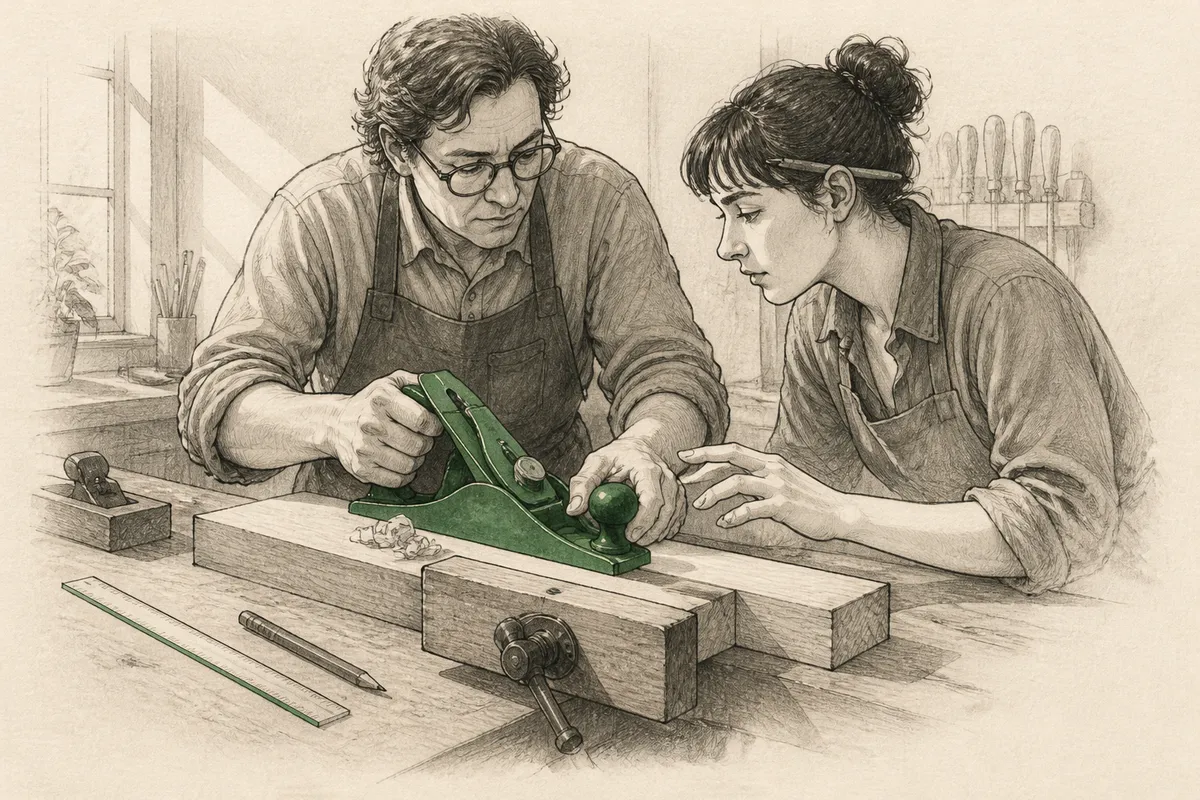
The show stage is where the person watches the task performed by someone who already knows how to do it, start to finish, without being asked to do any part of it themselves. This stage is the task itself, done in real time, with the person watching close enough to see the actual steps, not a summary of them.
A task explained verbally and a task watched in real time produce different levels of understanding in the person receiving the handoff.
The show stage should take about as long as the task itself takes. If the task has branches or exceptions, the person doing the showing should narrate them as they come up, rather than listing them beforehand. A written procedure handed over without a live demonstration skips this stage entirely, even if it feels like a complete handoff.
The Try Stage
The try stage is where the person performs the task themselves while someone familiar with it is present and reachable, which gives them room to ask questions for clarity before an error compounds. This stage is most often skipped, because it takes time and it requires the person who already knows the task to stay nearby instead of moving on to something else.
Skipping from show straight to solo is a common shortcut, and it creates rework because the first real mistake happens without anyone there to catch it. The cost shows up later: a customer who gets two different answers, a form filed with the wrong code, a step done out of order that has to be undone. The try stage is where those errors surface while they are still cheap to fix.
A person in the try stage should ask about anything unclear, including edge cases that did not come up during the show stage. Silence during this stage can signal guessing instead of understanding, and it is worth checking in directly rather than assuming silence means competence.
The Solo Stage
The solo stage is where the person performs the task independently, without supervision, and is expected to produce the same result as if an experienced person had done it. This stage only works if the first two were done properly. A solo stage built on a skipped try stage functions as a second try stage, just without anyone there to catch the mistakes.
By the third solo attempt, a person should be completing the task without checking back for guidance, which is a reasonable marker of whether the handoff actually worked. A person still asking basic process questions after their third independent attempt points back to a gap in the show or try stage, and says little about the person.
Comparing What Happens When a Stage Is Skipped
| Stage Skipped | What Happens Instead | Typical Result |
|---|---|---|
| Show | Person is told about the task but never watches it done | Misunderstands steps that look simple in writing but are not |
| Try | Person moves from watching straight to solo work | First real error happens without anyone there to catch it |
| Solo | Person is never fully released from supervision | Task creates a bottleneck because one person still has to check it |
Each skipped stage creates a different kind of rework. Skipping show creates confusion about sequence. Skipping try creates errors with no safety net. Skipping solo keeps a dependency alive that the handoff was supposed to remove.
Each skipped stage leaves a different kind of rework behind.
To fix a documentation handoff that kept coming back for revisions, I reassigned the hands-on work to another team member for two weeks and then required that person to document the process. The rest of the team reviewed the document against what they knew of the process and edited it. The approach I’d use now: give one person the task for a set period, let them ask questions during the trial, then have them document it from A to Z, noting special cases and issues that can occur.
That sequence, hands-on work first and documentation second, matches the order the show, try, solo method already follows.
Why Documentation Should Come After, Not Before
Documentation written after someone has actually performed the task is more accurate than documentation written in advance, because it reflects real decisions made during real exceptions rather than a guess at what might happen. A procedure drafted before anyone has touched the task tends to describe the ideal path and miss the branches that come up in practice. Writing the procedure after the solo stage, once the person has handled a few real cases, produces a document someone else could actually follow.
A procedure written before the work is done describes what should happen. A procedure written after the work is done describes what does happen.
This also reduces the odds of re-training (teaching the same task again because the first handoff did not fully transfer it) later, since the documentation reflects the actual task rather than an assumption about it.
In Practice: Running a Three-Stage Handoff
Situation: An office manager needs to hand off a recurring task, such as processing weekly supply orders, to another employee who has never done it before. This is an illustration of the method, not a record of a specific client result.
Steps:
- Schedule a block of time where the current task owner performs the task while the new person watches, narrating each decision point out loud.
- Have the new person perform the task the following week, with the original owner present and available to answer questions.
- Ask the new person to list any step that felt unclear, and address each one before the next attempt.
- Repeat the supervised attempt at least once more if questions came up during the first try.
- Release the new person to do the task alone, and check in briefly after the first solo attempt.
- Have the person write a short document describing the task from start to finish, including any special cases they encountered.
- Review that document against what the original owner knows of the process, and correct anything that does not match.
Result: A written procedure exists that reflects how the task is actually done, and the new person can complete it without checking back, which is how you can tell the handoff held.
Common mistake: Moving from the show stage straight to the solo stage because the task looks simple. The fix is to keep the try stage in place even for tasks that seem easy, since the complexity usually shows up in exceptions rather than the main sequence.
If it goes wrong: If the person is still asking basic questions well past the third solo attempt, go back to the try stage rather than assuming the problem is with the person.
FAQs
How do I hand off a task without it coming back for corrections?
You hand off a task without rework by making sure the person has done the task once while supervised, with a chance to ask questions, before doing it alone. Returned work often traces back to a handoff that moved straight from explanation to independent execution, skipping the supervised attempt where mistakes are still cheap to catch.
What is the show, try, solo method?
Show, try, solo is a three-step handoff sequence where a person first watches a task done, then performs it themselves with supervision, and finally does it independently. Each stage serves a different purpose, and skipping any one of them tends to produce gaps that only show up once the task is already in the person’s hands alone.
Why does delegation keep failing even after the task is explained clearly?
Delegation often fails even with a clear explanation because hearing about a task and performing it are different kinds of learning, and a failed handoff often skips the stage where the person actually tries the task with help nearby. A clear explanation covers the show stage at best. Without a supervised attempt, the first real mistake happens with no one there to catch it.
How many times should someone do a task before working alone?
A person should generally be able to complete a task independently by the third attempt, which serves as a reasonable check on whether the handoff worked. Uncertainty after three solo attempts usually points to a gap in the earlier stages rather than a problem with the person doing the task.
When should the documentation for a task being handed off get written?
Documentation is more accurate when it is written after someone has performed the task through the try and solo stages, rather than before anyone has touched it. A document written in advance tends to describe the expected path and miss the exceptions that come up in real use, while a document written afterward reflects what actually happens.
What’s the risk of skipping the supervised stage of a handoff?
Skipping the supervised stage means the person’s first real attempt at a task happens with no one available to catch an error, which raises the odds that a mistake reaches a customer or a downstream process before anyone notices. This is the stage most often cut for time, even though it is usually the cheapest place to fix a misunderstanding.
Can one person document a process by themselves?
One person can draft documentation alone, but it holds up better when someone else who knows the process reviews it against what they already know before it’s treated as final. A single author can miss an exception they didn’t personally encounter, so a review step catches gaps the original writer wouldn’t see.
Next Steps
The show, try, solo sequence does not fix every handoff on its own. It removes one specific gap: the point where a person is expected to perform a task they have never actually done with help nearby. Which step gets skipped most often? Tell me in the comments.