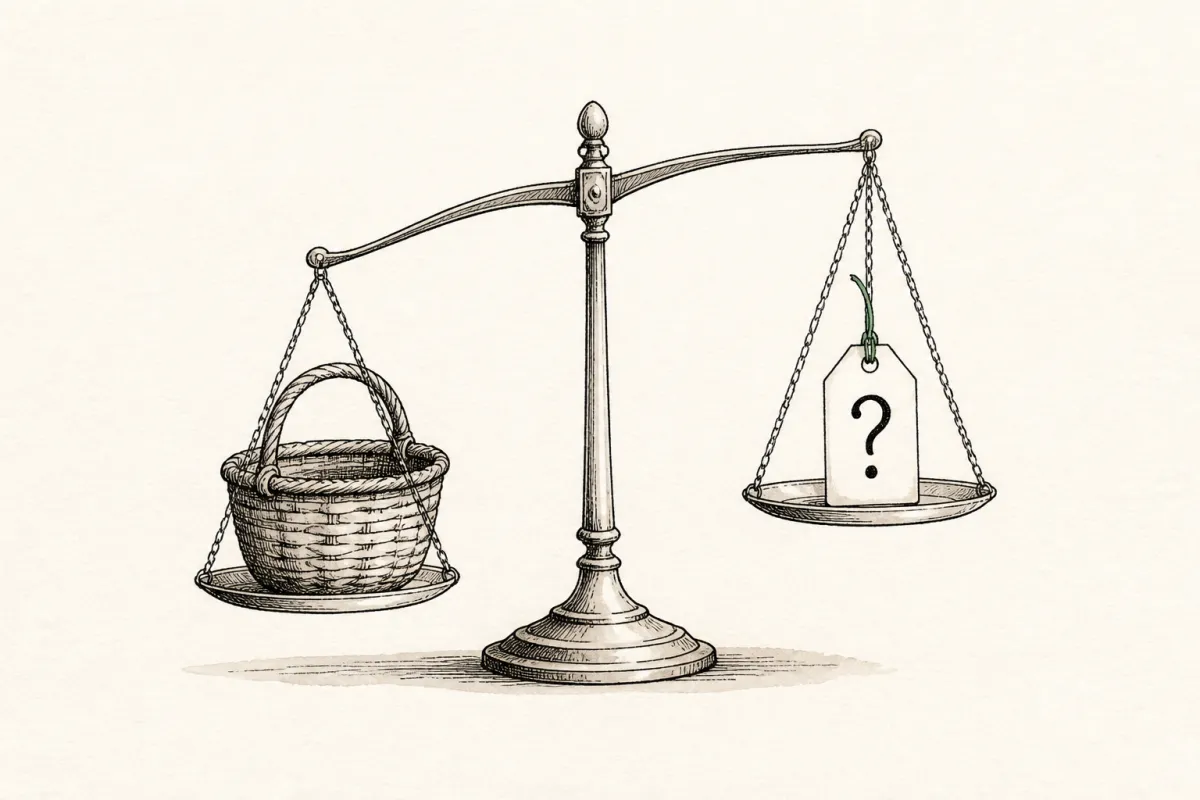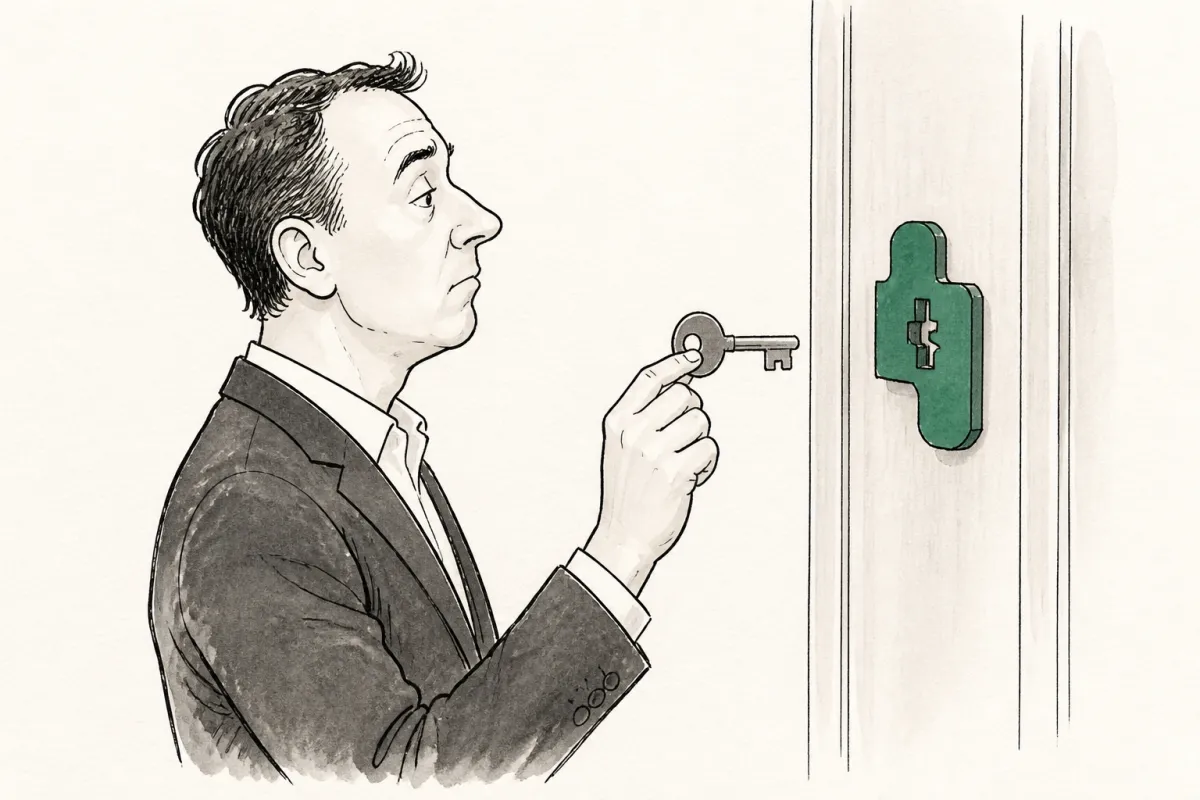
Should Customers Know They're Talking to AI?
AI disclosure customers face a real trust question. Here's an honest look at whether naming the AI in the room helps or hurts, and what actually holds up.
Clear, actionable insights on business systems, customer communication, automation, and practical AI—written for small teams that need useful answers, not more noise.

A responsible AI rollout plan built over 90 days, not assembled by accident. Learn the sequence that turns adoption into something deliberate.

A PUE score explained in plain terms: what it measures, why it beats sustainability marketing, and how to read one before trusting a vendor's claims.

An AI chatbot wrong answer customer complaint is rarely random. Here's what should be checked before automation ever reaches a customer.

A clear look at automation job displacement history shows what factory automation actually did to work, and what it suggests about AI's effect on jobs now.

A clear look at China's AI regulation approach, what it actually gets right, where it falls short, and why the pattern matters beyond the headlines.

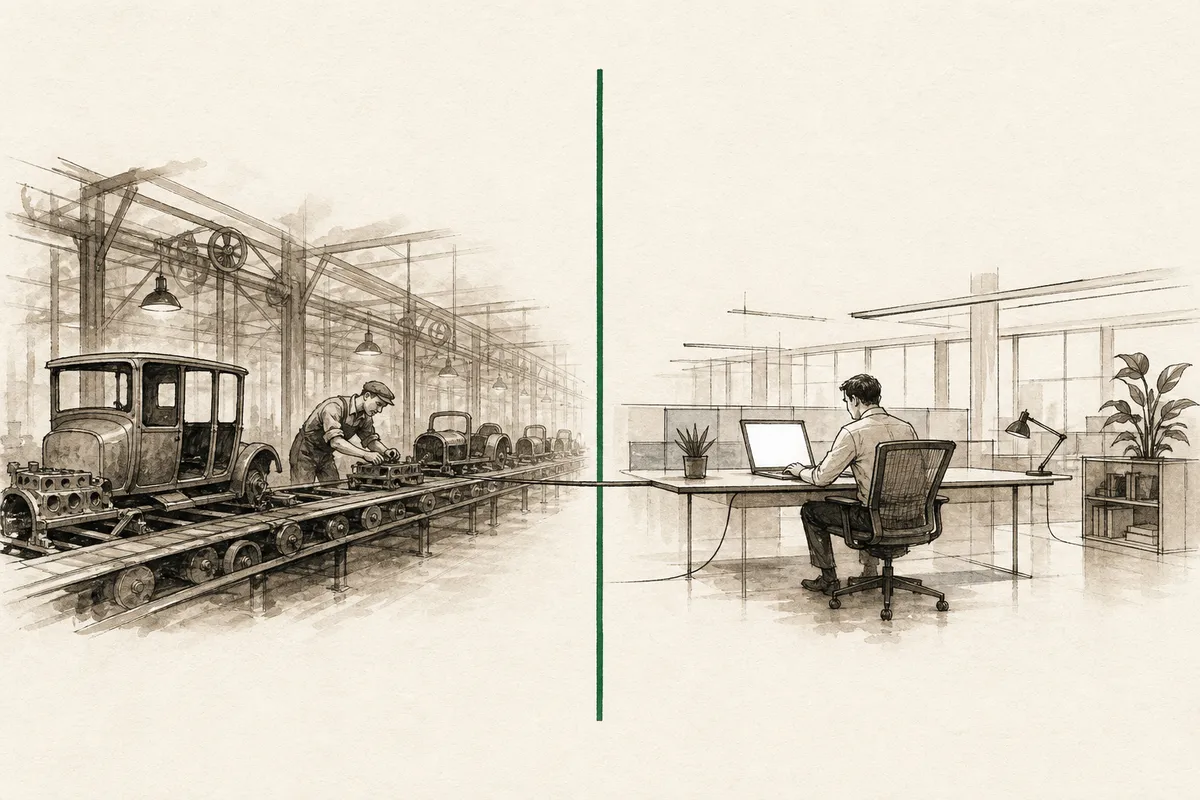
An assembly line AI adoption comparison shows why some businesses move fast on AI while others resist, and what that timeline actually predicts.

How AI large company human judgment gets quietly removed at scale, and what that removal actually costs when nobody's watching for it.

AI electricity costs small business owners are starting to notice on their utility bills. Here's how data center demand connects to that number, plainly.

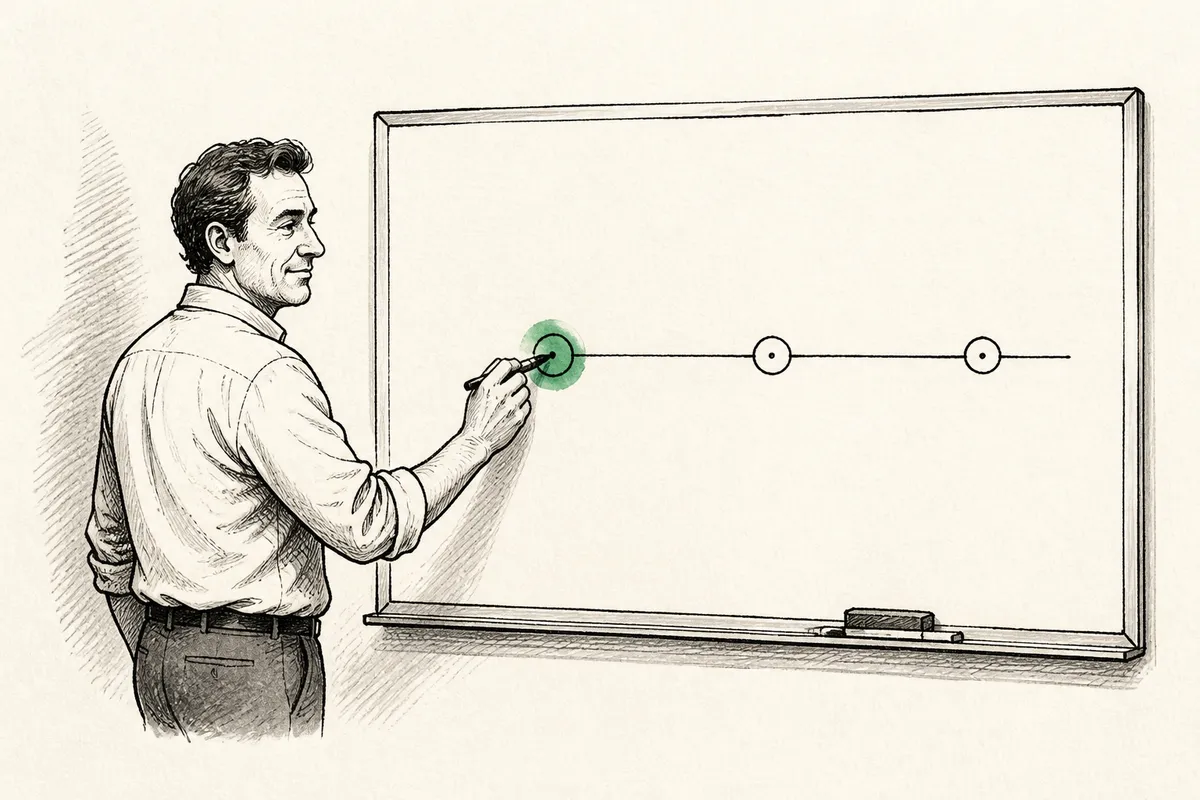
AI disclosure customers face a real trust question. Here's an honest look at whether naming the AI in the room helps or hurts, and what actually holds up.

What does responsible AI adoption actually require at your size? Compare the risks and resources for small shops versus mid-size companies here.

Canada AI regulation takes a distinct path from the EU and US. Here's a plain look at the current framework and where it actually diverges.

AI customer-facing workflow questions to run before launch, focused on what breaks when the tool gets something wrong, not just what it can do.

A vendor's marketing claim is not the same as AI HIPAA compliance small business owners can rely on. Here's what an actual guarantee requires.

Renewable data center power claims sound simple but the real numbers are messier. Here's the honest split between clean energy targets and grid reality.

AI economic mobility offers real access, but it also narrows entry-level work. Here's the honest version of a question with no tidy answer.

AI vendor data training rights hide in plain sight inside most terms of service. Here's exactly where to look before you sign anything.

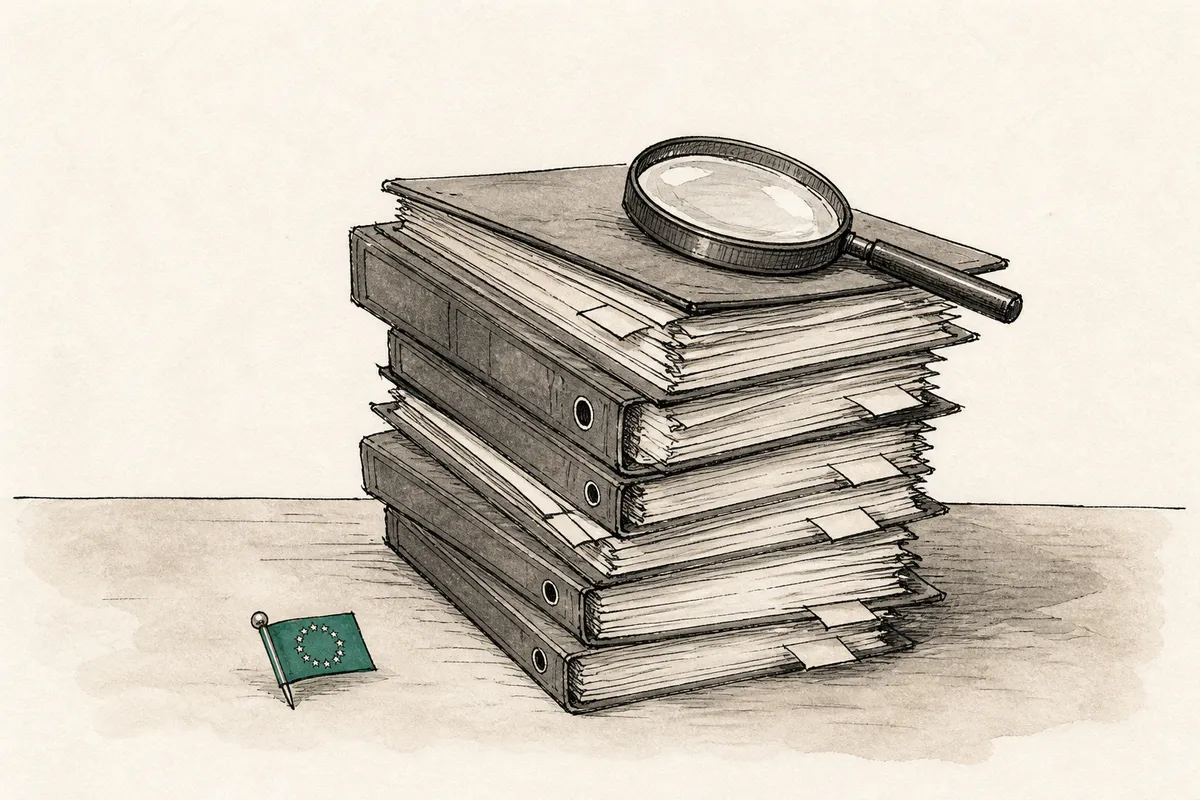
A plain-terms breakdown of the EU AI Act rules, covering risk tiers, obligations, and timelines without arguing for or against the approach.

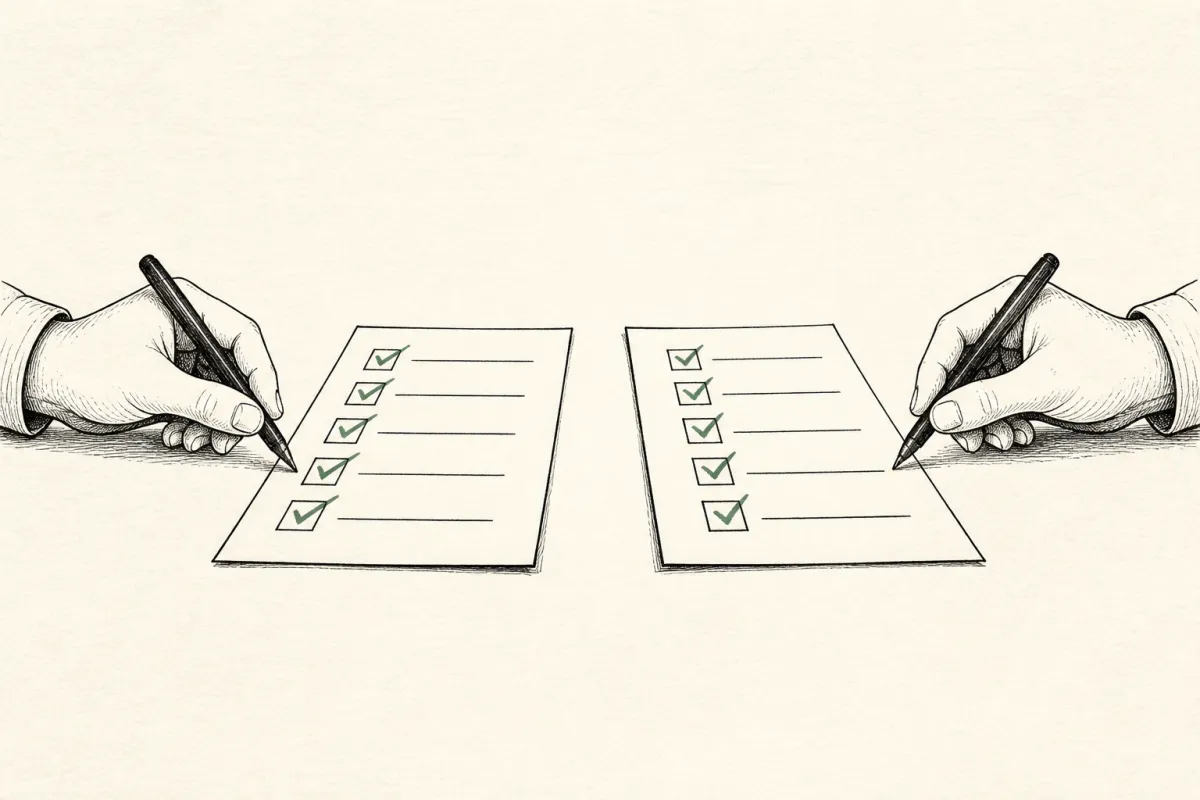
An AI client data checklist keeps sensitive client information safe before automation touches it. See what to check first, and why it matters.

Can AI economic mobility be real without connections? Here's the honest version of where AI helps, and where cost, access, and judgment still get in the way.

What makes sustainable data centers real versus marketing language, covering cooling design, siting decisions, and the efficiency metrics that actually matter.

Is it safe to put customer data into ChatGPT? Here's what actually happens to that data, plain terms, before it becomes a daily habit.

Responsible AI small business use requires guardrails before revenue exists. Here's what to document, verify, and limit before a mistake costs you.

Why does a business falls apart when owner is away, and what does that summer breakdown actually reveal about dependency, not luck. Read the honest version.

The cost of not fixing it now compounds with every disruption. Learn why the same unresolved gap gets more expensive each time it resurfaces.

Documenting vs explaining a process are not the same skill, and the gap only shows up once the person who explained it isn't around to ask.

The cost of slow response times during a disruption adds up quietly. Here's how to estimate it using real math instead of a general percentage.

Patching operations after disruptions feels productive until the patches stop holding. Here's how to tell when it's time to fix the structure instead.

Learn how to reset operations without stopping client work or revenue. A practical, one-process-at-a-time approach to operational resets that actually holds.

Time away from your business has a hidden operational cost. Here's a simple way to estimate the real cost of being out beyond the visible backlog.

Learn how to get back on track after chaos by fixing the structure that caused it first, not just clearing the backlog it left behind.

How long to document a process is usually a fraction of what owners assume. Here's the honest version of what the timeline really looks like.

Hoping a breakdown won't repeat isn't a plan. See why the fix vs hope it doesn't happen again decision usually favors fixing it now.

What to document before busy season starts, and why the process that recently broke is the one most likely to fail again once the pace picks up.

A systems review cost and timeline are fixed and knowable, unlike the open-ended price of letting operational chaos sort itself out over time.

Getting back to normal often means restoring the same owner-dependent structure that caused the strain. Here's how to tell the difference before you relax.

Learn how to prevent repeat operational problems by finding the exact breakdown point first, documenting the fix, and building from there.

Fix now vs wait until January: the fall reset already gives you the moment to tighten operations, and delay just adds three more months of the same cost.

If you feel behind after busy season even though the business survived, here's why surviving and resolving are two different outcomes entirely.

Why you feel caught up vs busy comes down to backlog, not hours worked. Learn what actually has to change before the feeling shows up.

If your team depends on owner input for every decision, the problem is missing documentation, not loyalty or effort. Here's the real fix.

Wondering about documented process payback time? Learn why the real return shows up the first time someone else runs it right, not on a spreadsheet.

A systems review cost worth it question gets easier to answer right after a rough summer, while the failure points are specific instead of vague. See why timing matters.

See how time saved from documentation adds up during the fall stretch, with a grounded example showing hours returned instead of vague promises.

Learn what to fix first as business slows down this fall. A simple filter for prioritizing fixes based on customer friction, not convenience.

Learn how to catch up without overworking by fixing the process that keeps creating your backlog instead of adding more hours to your week.

The cost of being the bottleneck rarely shows up on a P&L, but it drains real hours every week. Here's how to estimate what it's actually taking from you.

Struggling with which process to document first? Learn why the most complained-about process, not the busiest one, is where the real time loss hides.

A post-summer business review takes about an hour and stops the same failure points from repeating at higher volume once fall pace returns.

A quiet summer can hide real gaps instead of closing them. Here's how to spot summer slowdown hidden problems before they resurface at full speed.

Learn how to tell a staffing problem vs process problem apart before you hire your way past a gap that documentation would have closed.

Deciding whether to fix operations or keep selling this fall? Here's why fixing process before Q4 is cheaper now than it will ever be again.

Before you hire help or document process, know which one actually fixes the gap. A calm look at why documentation should come first.

Build a visible Facebook and Instagram presence with a practical content system designed for consistency, engagement, and your capacity.

Use your Etsy shop data to make clearer decisions about product pricing, listings, and photos instead of relying on guesswork.

Identify the real barrier between knowing what to do and taking action, then choose a practical first step that fits your current capacity.

Evaluate a side-hustle idea against demand, skills, time, costs, and personal constraints before committing money or months of work.

Use the FIRST ASK Framework to give an AI assistant the facts, goals, resources, constraints, and task it needs for useful business advice.

Audit AI business advice for hidden assumptions, missing context, and repeated corrections before using it to make a business decision.

Before adding call capture, confirm your plumbing business has profitable pricing, the right work mix, and someone available to respond.

Calculate the real value of a missed plumbing call using job value, profit margin, close rate, capacity, and whether the work fits your business.

Learn how plumbing companies lose emergency and estimate leads after hours—and when changing staffing or service hours makes business sense.

Compare missed-call text back with voicemail and learn what plumbing businesses should measure before investing in a new response system.

See what customers do when a plumber misses their call—and assess your capacity, staffing, and margins before investing in call capture.

Learn why customers skip voicemail, how missed calls cost service businesses leads, and what to assess before adding text-based call response.
GLBS helps small service businesses identify the operational gaps costing them time, consistency, and revenue.