What's the One Thing Only You Know How to Do?
The task only you can perform usually comes to mind within seconds. Documenting that single point of failure before an absence tests it protects the business.

A three-step handoff method lets a person watch, practice, then work independently, so a task stops coming back for fixes. Learn how to run each stage.

When an employee does a task differently, check the outcome first. This guide shows how to separate fixed steps from flexible ones before you correct anyone.

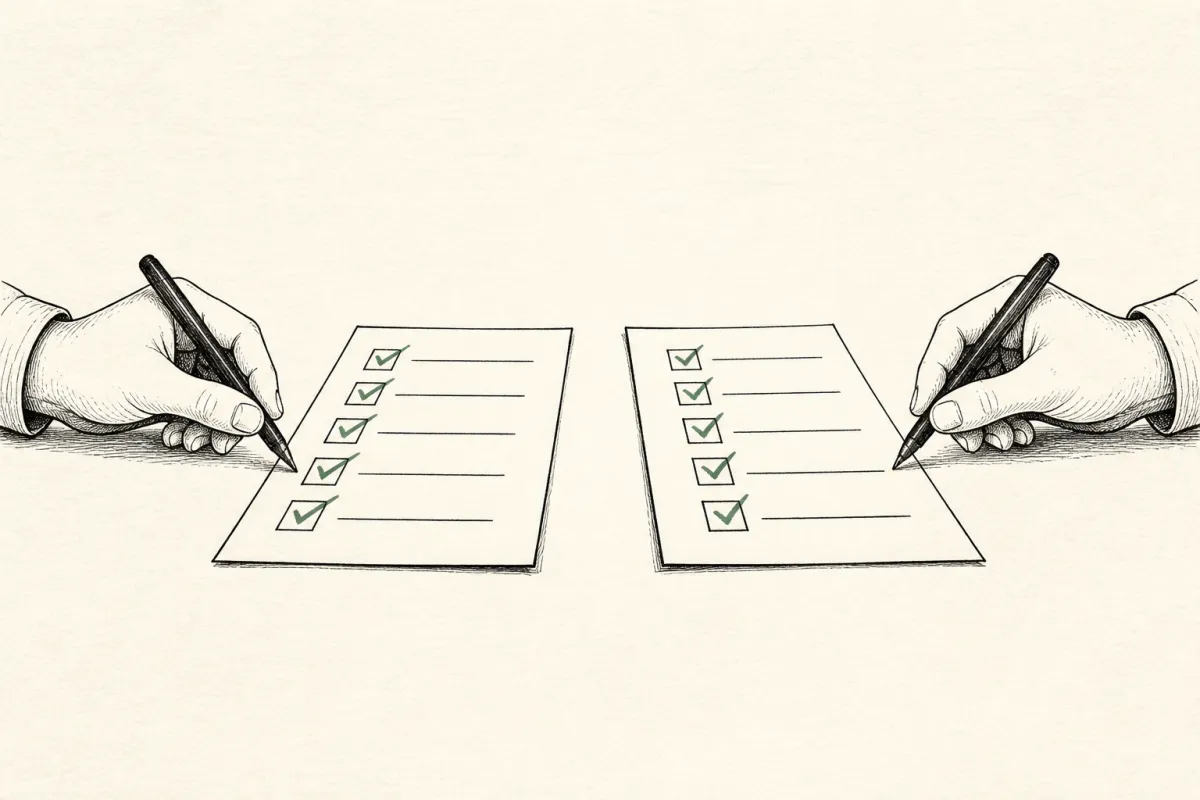
A complete handoff document lists the trigger, steps, decision rules, exceptions, and a contact person, so a new employee can finish the task without help.

Delegating a task completes work once, while handing off a process makes the work repeatable. Weekly invoicing shows the difference between the two in practice.

Doing a task yourself feels faster right now, but that saved time gets borrowed from future weeks. The habit quietly builds into a long-term drag.

Owner knowledge feels too obvious to write down, so an interview tends to capture more than solo writing. This guide walks through the interview method.

The task only you can perform usually comes to mind within seconds. Documenting that single point of failure before an absence tests it protects the business.

A customer exception list keeps long-standing terms alive when one person is out. Learn what to record, where to store it, and who owns each entry.

A question your team keeps texting you points to a missing document. Find your most repeated question and write one clear answer your team can check.

Pricing exceptions pile up when nobody records the reasoning behind each discount. A one-page record names the exception, its rule, and who can approve it.

Owner-only knowledge shows up as repeated questions that only you can answer. Build a usable list in one sitting from two weeks of texts and calls.

What should you track during an owner absence test? Log every question, delay, and workaround, then sort each entry into three groups you can act on.

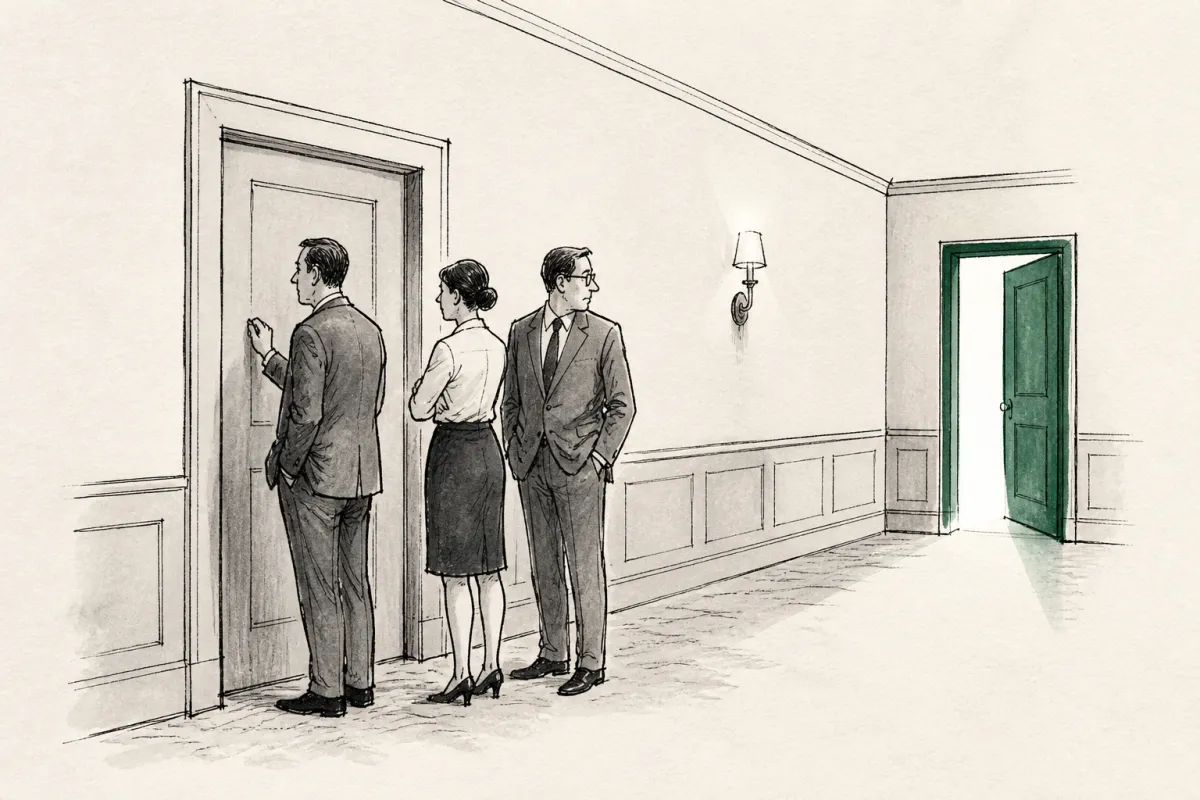
Who decides when the owner is away? Learn how decision rights work, with three sample decisions and a simple three-part rule you can write down today.

An auto-reply announces an absence but names no one to act. Real out-of-office coverage assigns who answers, who decides, and who gets told before you leave.

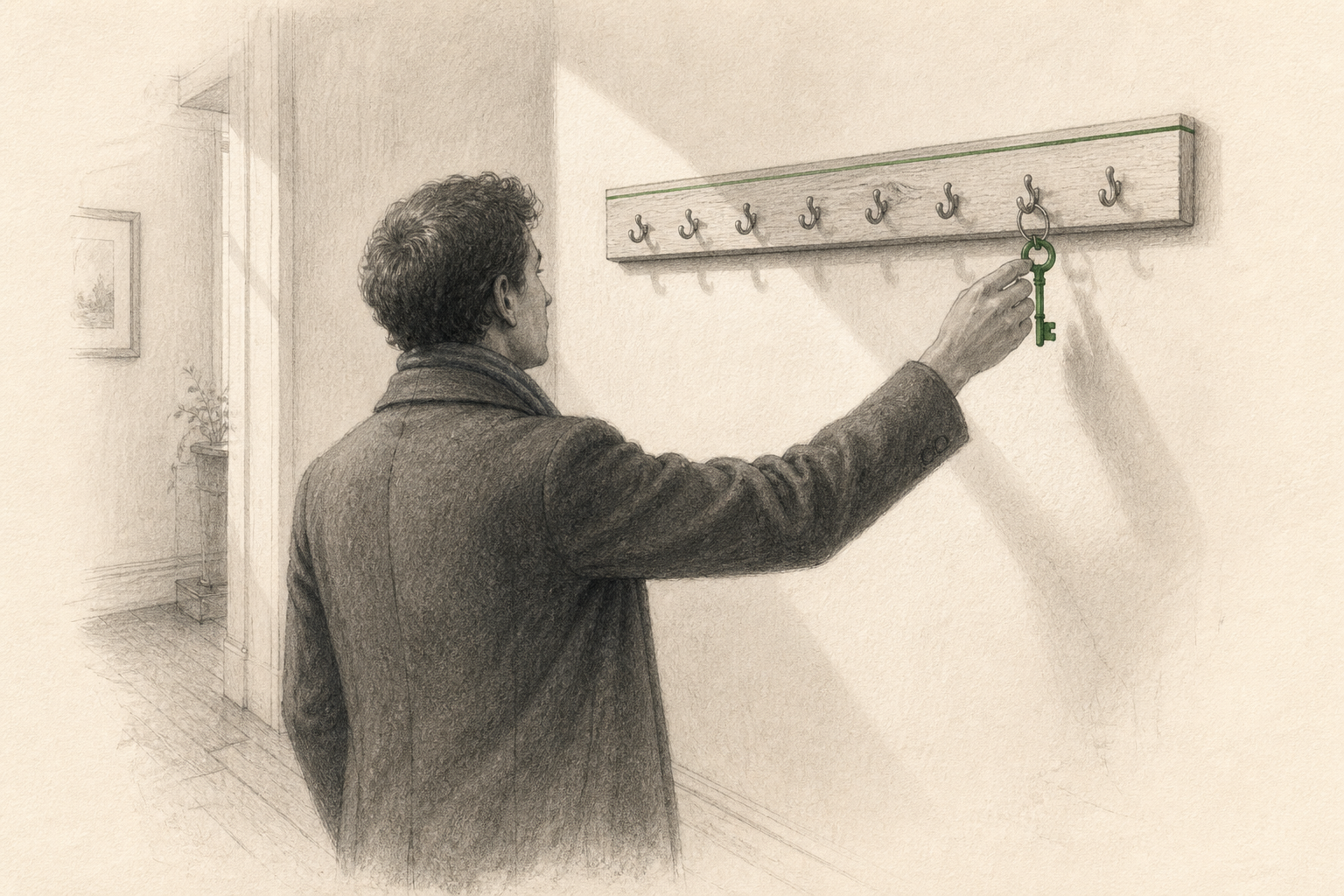
A handoff note before time off prevents guesswork and keeps work moving. Learn the five categories to write down so your team has answers, not questions.

An owner who can't take time off typically has no written decision rules. Learn what the phone at dinner signals and which decisions to document first.

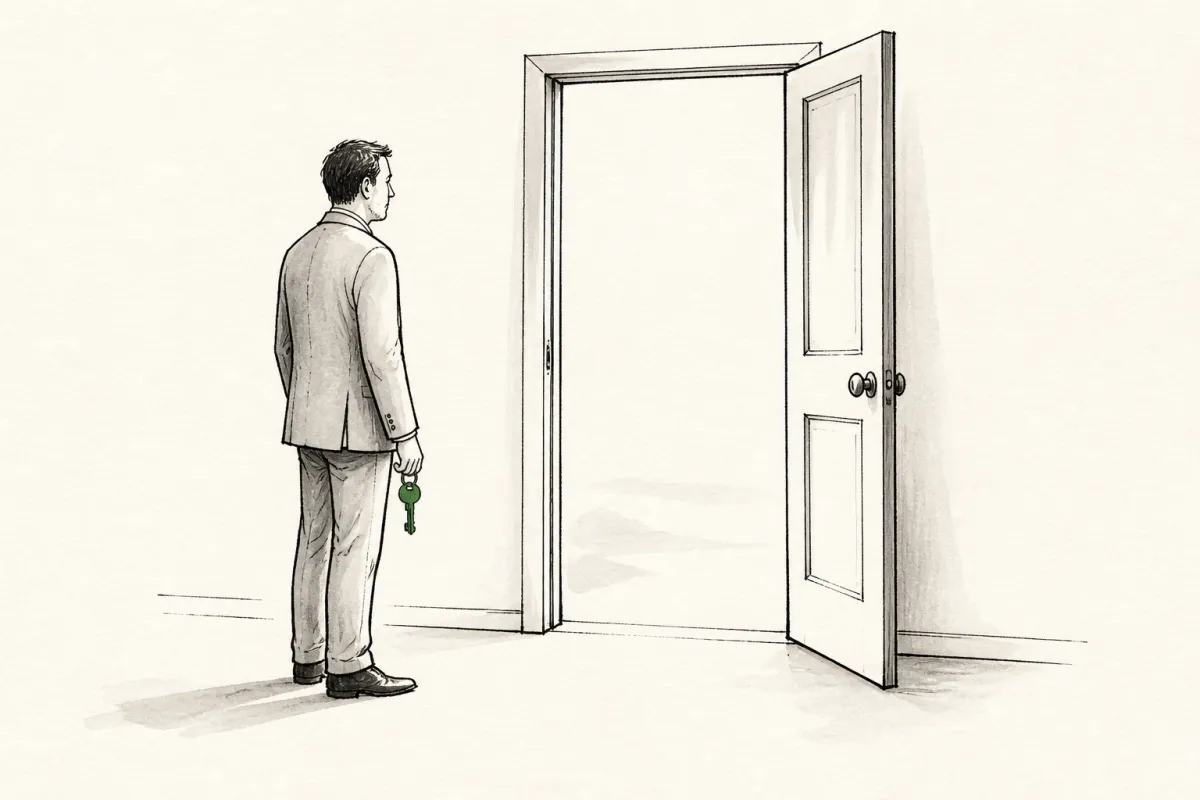
An owner absence test reveals operational gaps before a real emergency forces the issue. Run a four-day test with one backup and a clear fix list.

What carbon-neutral data centers actually require, technically and financially, and why most facilities marketed that way haven't gotten there yet.

What makes sustainable data centers real versus marketing language, covering cooling design, siting decisions, and the efficiency metrics that actually matter.

Why does a business falls apart when owner is away, and what does that summer breakdown actually reveal about dependency, not luck. Read the honest version.

The cost of not fixing it now compounds with every disruption. Learn why the same unresolved gap gets more expensive each time it resurfaces.

Documenting vs explaining a process are not the same skill, and the gap only shows up once the person who explained it isn't around to ask.

Patching operations after disruptions feels productive until the patches stop holding. Here's how to tell when it's time to fix the structure instead.

Learn how to reset operations without stopping client work or revenue. A practical, one-process-at-a-time approach to operational resets that actually holds.

Time away from your business has a hidden operational cost. Here's a simple way to estimate the real cost of being out beyond the visible backlog.

Learn how to get back on track after chaos by fixing the structure that caused it first, not just clearing the backlog it left behind.

How long to document a process is usually a fraction of what owners assume. Here's the honest version of what the timeline really looks like.

Hoping a breakdown won't repeat isn't a plan. See why the fix vs hope it doesn't happen again decision usually favors fixing it now.

What to document before busy season starts, and why the process that recently broke is the one most likely to fail again once the pace picks up.

A systems review cost and timeline are fixed and knowable, unlike the open-ended price of letting operational chaos sort itself out over time.

Getting back to normal often means restoring the same owner-dependent structure that caused the strain. Here's how to tell the difference before you relax.

Learn how to prevent repeat operational problems by finding the exact breakdown point first, documenting the fix, and building from there.

Fix now vs wait until January: the fall reset already gives you the moment to tighten operations, and delay just adds three more months of the same cost.

If you feel behind after busy season even though the business survived, here's why surviving and resolving are two different outcomes entirely.

Why you feel caught up vs busy comes down to backlog, not hours worked. Learn what actually has to change before the feeling shows up.

If your team depends on owner input for every decision, the problem is missing documentation, not loyalty or effort. Here's the real fix.

Wondering about documented process payback time? Learn why the real return shows up the first time someone else runs it right, not on a spreadsheet.

A Systems Review is easier to judge right after a rough summer, while the failure points are specific instead of vague. See why timing matters.

See how time saved from documentation adds up during the fall stretch, with a grounded example showing hours returned instead of vague promises.

Learn what to fix first as business slows down this fall. A simple filter for prioritizing fixes based on customer friction, not convenience.

Learn how to catch up without overworking by fixing the process that keeps creating your backlog instead of adding more hours to your week.

The cost of being the bottleneck rarely shows up on a P&L, but it drains real hours every week. Here's how to estimate what it's actually taking from you.

Struggling with which process to document first? Learn why the most complained-about process, not the busiest one, is where the real time loss hides.

A post-summer business review takes about an hour and stops the same failure points from repeating at higher volume once fall pace returns.

A quiet summer can hide real gaps instead of closing them. Here's how to spot summer slowdown hidden problems before they resurface at full speed.

Learn how to tell a staffing problem vs process problem apart before you hire your way past a gap that documentation would have closed.

Deciding whether to fix operations or keep selling this fall? Here's why fixing process before Q4 is cheaper now than it will ever be again.

Before you hire help or document process, know which one actually fixes the gap. A calm look at why documentation should come first.

Identify the real barrier between knowing what to do and taking action, then choose a practical first step that fits your current capacity.

Evaluate a side-hustle idea against demand, skills, time, costs, and personal constraints before committing money or months of work.
GLBS helps small service businesses identify the operational gaps costing them time, consistency, and revenue.